Chefchaouen Travel Guide 2026: The Ultimate Guide to Morocco’s Blue City
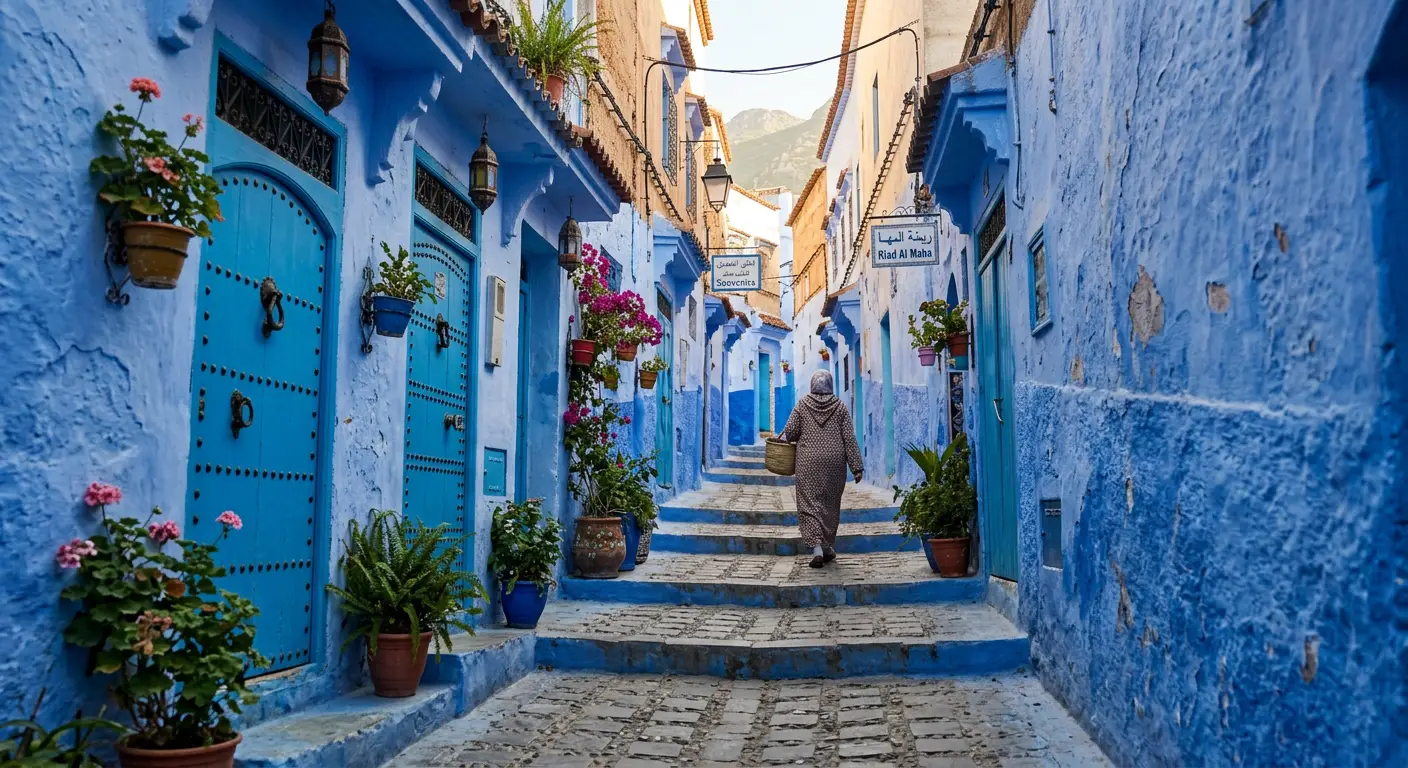
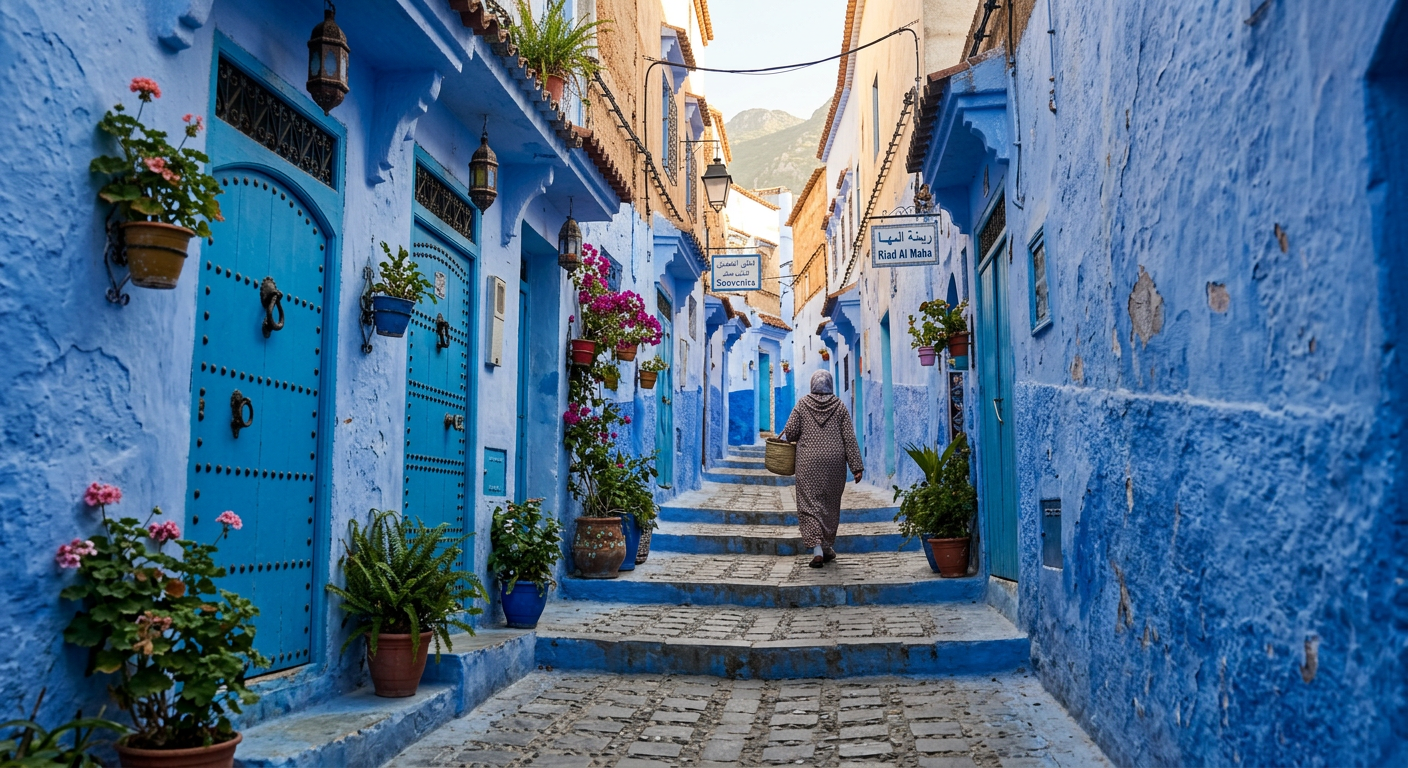
Chefchaouen’s blue-painted medina is one of Morocco’s most photographed destinations. This comprehensive Chefchaouen travel guide covers everything you need to know about visiting Morocco’s Blue City. Located in the Rif Mountains, this small city offers visitors a unique color palette, relaxed pace, and access to mountain trails that larger Moroccan cities simply can’t match. Temperatures range from 3°C (37°F) in winter to 32°C (90°F) in summer, making March through May and September through November the best months to visit.
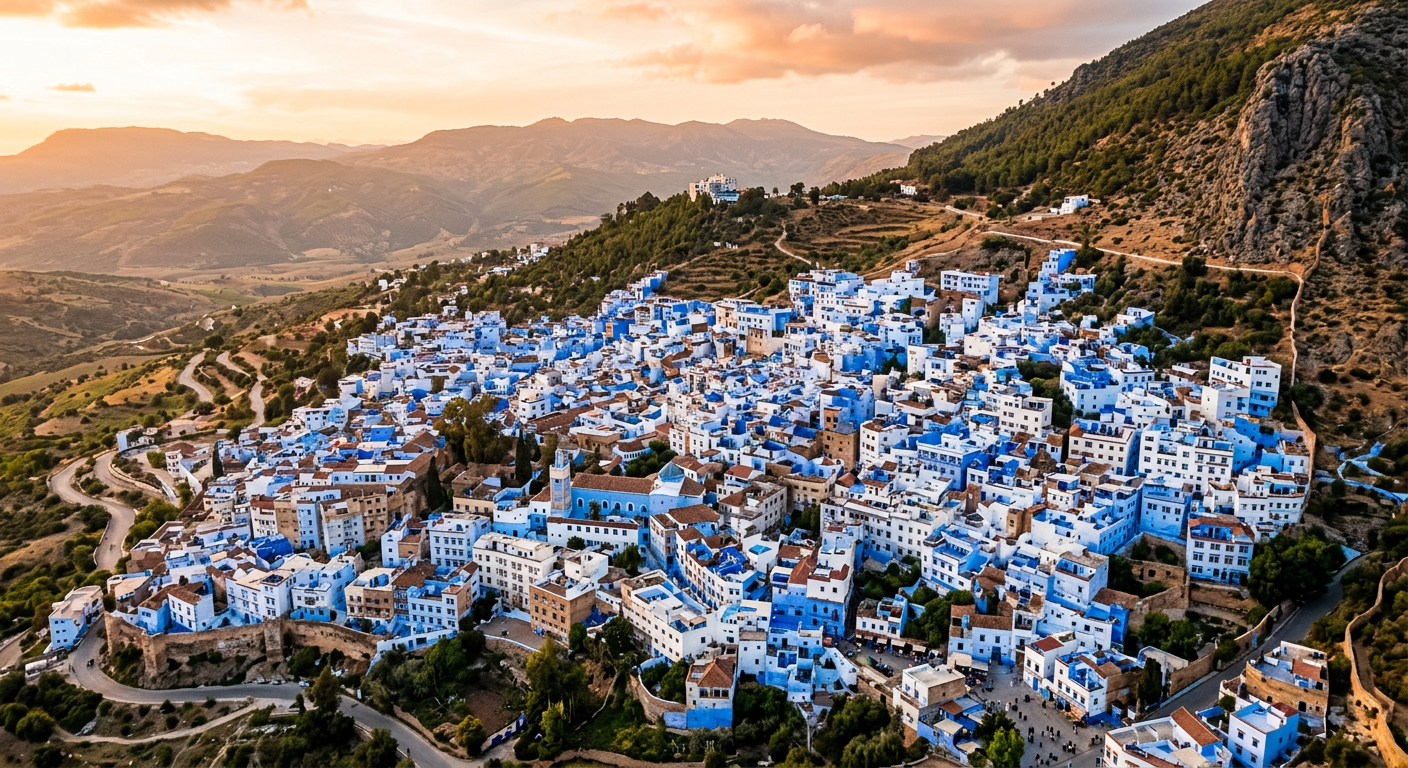
Nestled in the Rif Mountains of northern Morocco, this Chefchaouen travel guide will walk you through everything you need to know about the Blue City. Chefchaouen , known worldwide as the Blue City, is a small medina where nearly every wall, door, staircase, and fountain is washed in varying shades of blue. What started as a 15th-century fortress town has become one of the most photographed destinations in North Africa, drawing travelers who want to wander its quiet alleyways, shop for woven textiles, and escape the intensity of Morocco’s larger imperial cities.
📌 Chefchaouen at a Glance
| COUNTRY | Morocco |
| REGION | Rif Mountains, Tanger-Tetouan-Al Hoceima |
| BEST TIME | Mar to May, Sep to Nov |
| DAYS NEEDED | 2 to 3 days |
| KNOWN FOR | Blue-painted medina, mountain hikes, artisan crafts — all key topics in this Chefchaouen travel guide |
| BUDGET | $20 to $50 USD/day (budget to mid-range) |
📖 Table of Contents
- Why Visit Chefchaouen?
- Why Is Chefchaouen Blue?
- Best Time to Visit
- Top 10 Things to Do
- Where to Stay in Chefchaouen
- Where to Eat
- Getting to Chefchaouen
- Cost Comparison: Chefchaouen vs Other Moroccan Cities
- Safety Tips
- FAQs
Why Visit Chefchaouen?
Visitors to Chefchaouen will find a compact, walkable medina where the pace slows down and the crowds thin out. The blue-washed walls create natural photo opportunities at every corner, but the city’s real appeal goes beyond Instagram. As this Chefchaouen travel guide recommends, the surrounding Rif Mountains provide hiking trails to waterfalls and viewpoints, the medina’s artisan quarter produces distinctive woven blankets and leather goods, and the local cuisine features goat cheese from nearby mountain farms.
As any Chefchaouen travel guide will tell you, travelers typically arrive via bus from Fes (about 4 hours, starting from around 45 MAD / $4 USD) or from Tangier (roughly 2.5 hours). The journey through the mountain roads is part of the experience, with the first glimpse of the blue town appearing like a mirage from the hillside roads above.
Why Is Chefchaouen Blue?
The origins of Chefchaouen’s famous blue color remain debated. The most commonly cited explanation traces it to Jewish refugees arriving in the 1930s, who painted their homes blue as a symbol of the sky and heaven. Over time, other residents adopted the practice and the entire medina gradually transformed. Other theories suggest the blue repels mosquitoes or helps cool buildings in summer. Whatever the reason, the tradition continues today with residents repainting their homes regularly to maintain the iconic palette.
Best Time to Visit Chefchaouen
Chefchaouen’s mountain location means it runs cooler than coastal cities and hotter inland destinations. As your comprehensive Chefchaouen travel guide covers, timing your trip correctly is critical. Here’s a month-by-month breakdown:
| Season | Average Temp Range | Crowd Level | Best For |
|---|---|---|---|
| Spring (Mar to May) | 10 to 24°C (50 to 75°F) | Moderate | Hiking, photography, mild weather |
| Summer (Jun to Aug) | 18 to 32°C (64 to 90°F) | Peak (busiest) | Festival season, day trips |
| Autumn (Sep to Nov) | 12 to 26°C (54 to 79°F) | Low to Moderate | Best weather, fewer crowds |
| Winter (Dec to Feb) | 3 to 15°C (37 to 59°F) | Lowest | Budget travel, empty medina |
💡 Insider Tip: January and February can drop to near freezing at night in Chefchaouen. Pack warm layers and be prepared for occasional rain. The upside? You’ll have the blue medina almost entirely to yourself.
Top 10 Things to Do in Chefchaouen
1. Get Lost in the Blue Medina
The medina is the main attraction, and the best approach is to wander without a map. Blue staircases, arched doorways, and flower-filled terraces await around every corner. Early morning (before 9 AM) offers the most atmospheric light for photography.
2. Hike to the Spanish Mosque
This abandoned mosque sits on a hilltop overlooking the city, roughly 30 minutes uphill from the medina. The trailhead is near the old kasbah. Visit at sunset for panoramic views of the Rif Mountains. The mosque itself is small. The viewpoint is the reward.
3. Visit the Kasbah Museum
The Kasbah (fortress) was built in the 15th century — a must-see stop that every Chefchaouen travel guide will recommend and houses an ethnographic museum with local artifacts, traditional jewelry, and archaeological finds — a must-visit stop in any Chefchaouen travel guide and houses an ethnographic museum with local artifacts, traditional jewelry, and archaeological finds. Entrance is 80 MAD for foreign visitors (10 MAD for locals). The inner garden and clock tower add nice photo spots.
4. Explore the Artisan Quarter (Place Outa el Hammam)
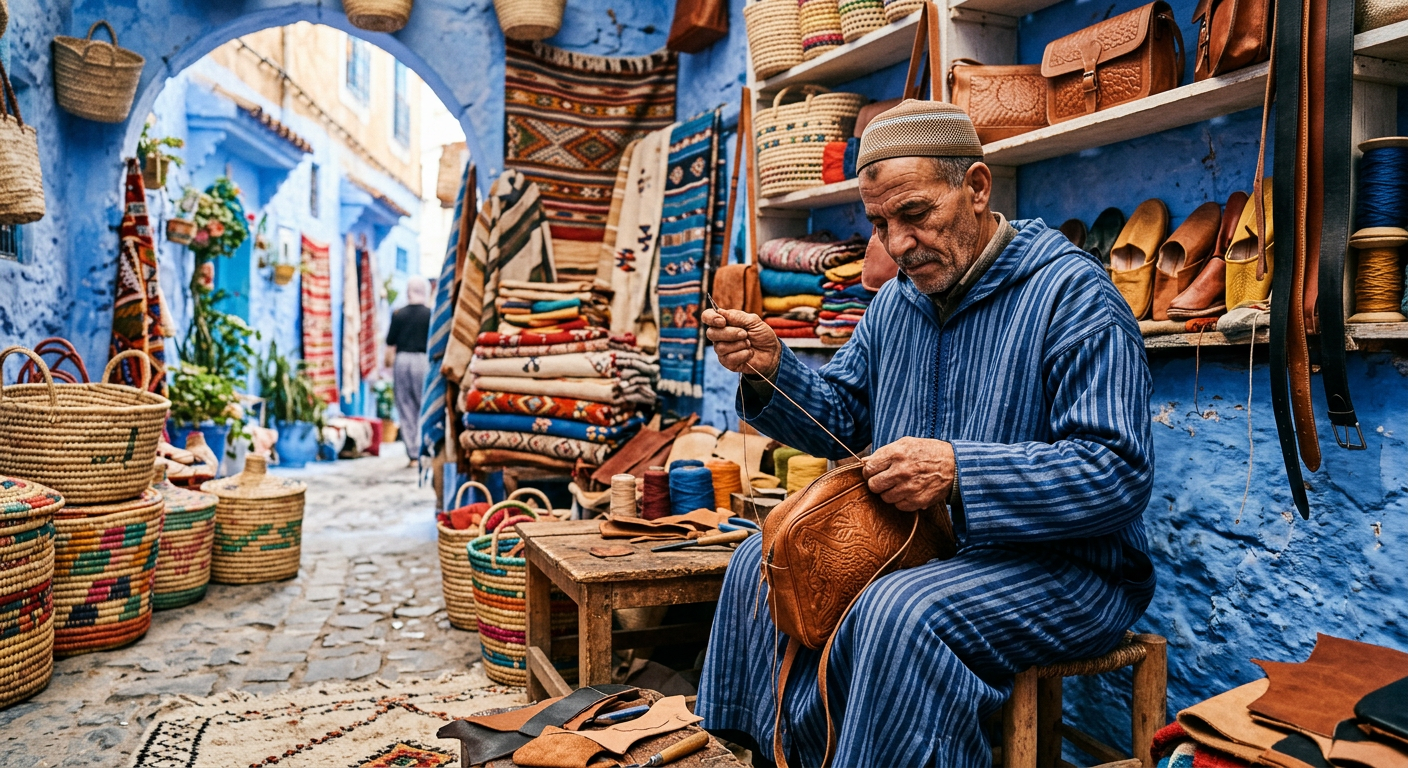
Place Outa el Hammam is the medina’s main square and a natural starting point that any Chefchaouen travel guide would highlight, surrounded by cafes with rooftop views of the mountains. This central location makes it a natural starting point for every Chefchaouen travel guide, surrounded by cafés with rooftop views of the mountains. The nearby artisan souks sell Chefchaouen’s famous hand-woven blankets, leather goods, and wool products, many of which are produced locally.
5. Trek to Akchour Waterfalls
About 30 km from Chefchaouen, the Akchour waterfalls are a popular day trip. The hike passes through the Talassemtane National Park with natural rock formations and swimming spots. The lower waterfall is roughly 2 hours round trip, while the full trek to the Grand Cascade and God’s Bridge takes 5 to 7 hours; most visitors aim for the longer hike. Local guides can be arranged from the medina.
6. Shop for Local Woven Blankets
Chefchaouen is known for hand-woven wool blankets and djellabas produced using traditional methods in medina workshops. Expect to pay 200 to 600 MAD ($20 to $60 USD) for a quality blanket, depending on size and weave. Artisan leather goods are also widely available in the souks.
7. Sample Local Goat Cheese
Several cafés and restaurants around Place Outa el Hammam feature fresh local goat cheese from Rif Mountain farms. Try it in salads or as part of a mezze plate alongside local honey and olives.
8. Walk to the Ras el Maa Waterfall
This small but charming waterfall sits on the edge of the medina, where local women traditionally wash clothes and wool. It’s a quick walk from the central square and offers a glimpse into daily life in Chefchaouen.
9. Take a Cooking Class
Several guesthouses and local guides offer cooking classes where you can learn to prepare traditional Moroccan dishes using ingredients from the medina’s market. Classes typically run 2 to 3 hours and cost 200 to 400 MAD ($20 to $40 USD).
10. Day Trip to Talassemtane National Park
Established in 2004, Talassemtane covers 58,950 hectares (589.5 km2) of protected Rif Mountain terrain, including the last of Morocco’s threatened fir forests. Trails range from easy walks through forests to challenging ridge hikes. The park is home to endangered species including the Barbary macaque and the Bearded vulture, with over 100 bird species recorded. Entry to the park is free, though guided hikes cost around 300 to 500 MAD ($30 to $50 USD).
Where to Stay in Chefchaouen
A good Chefchaouen travel guide always emphasizes accommodation choice. Staying within the medina puts you steps from the blue streets, but be prepared to carry your luggage over cobblestone paths and stairs two areas: inside the medina and on the hillside just outside. Staying within the medina puts you steps from the blue streets, but be prepared to carry your luggage over cobblestone paths and stairs. This Chefchaouen travel guide recommends hillside options first: they offer views and easier car access at the cost of a 5 to 10 minute walk to the medina center.
Budget (150 to 350 MAD / $15 to $35 USD per night): Hostels and basic guesthouses near the medina edges typically include rooftop terraces and breakfast. Ideal for solo travelers and backpackers.
Mid-range (400 to 800 MAD / $40 to $80 USD per night): Traditional riads in the medina with decorated rooms, hot water, and often rooftop views. This range is a reliable choice for visitors looking for good value.
Higher-end (800+ MAD / $80+ USD per night): Boutique guesthouses and hillside hotels with mountain views, gardens, and organized activities.
We may earn a commission when you book through our partners — at no extra cost to you. Search for accommodation in Chefchaouen
Where to Eat in Chefchaouen
Food is central to any Chefchaouen travel guide. The local cuisine revolves around traditional Moroccan staples with a Rif Mountain twist. No Chefchaouen travel guide would be complete without mentioning the local cuisine. Local goat cheese, fresh mountain herbs, and slow-cooked tagines dominate menus. Expect to pay 30 to 70 MAD ($3 to $7 USD) for a main dish at most medina restaurants.
Dining on a budget is easy — for the best value, try the street food stalls around Bab el Ain (the medina gate) where you can find msemen (Moroccan flatbread), grilled meats, and fresh orange juice for 10 to 20 MAD ($1 to $2 USD). The local specialty is baissara, a hearty broad bean soup especially popular during winter months. You’ll also find rfissa, a traditional dish of shredded pastry, lentils, and chicken, available at select restaurants.
Getting to Chefchaouen
From Fes: CTM and private buses run several departures daily. The journey takes about 4 hours and costs from 45 MAD ($4 USD). The route passes through mountain passes with scenic views.
From Tangier: CTM buses take roughly 2.5 to 3 hours and operate multiple daily departures. Prices start around 60 MAD ($6 USD).
From Tetouan: Grand taxis (shared) depart regularly for about 30 to 40 MAD ($3 to $4 USD). The trip takes roughly 1.5 hours.
Within Chefchaouen, the medina is entirely walkable. There are no taxis or buses inside the old town. For day trips to Akchour or Talassemtane, arrange transport through guesthouses or at local taxi stands — a tip this Chefchaouen travel guide recommends for first-time visitors.
We may earn a commission when you book through our partners — at no extra cost to you. Search for flights to Morocco
Cost Comparison: Chefchaouen vs Other Moroccan Cities
| Expense | Chefchaouen | Marrakech | Fes |
|---|---|---|---|
| Budget Hotel (per night) | 150 to 350 MAD | 200 to 400 MAD | 150 to 300 MAD |
| Mid-range Riad | 400 to 800 MAD | 500 to 1,200 MAD | 300 to 700 MAD |
| Main Meal (Restaurant) | 30 to 70 MAD | 40 to 100 MAD | 30 to 60 MAD |
| Street Food | 10 to 20 MAD | 10 to 25 MAD | 10 to 20 MAD |
| Daily Transport | 0 to 50 MAD | 20 to 80 MAD | 20 to 60 MAD |
| Total (Budget/Day) | 200 to 500 MAD | 300 to 600 MAD | 200 to 450 MAD |
💡 Insider Tip: Chefchaouen tends to be slightly cheaper for accommodation than Marrakech, especially outside of July and August. Book directly with guesthouses when possible; many offer better rates than booking platforms.
Safety Tips for Chefchaouen
Safety is a top priority for travelers, and this Chefchaouen travel guide can confirm: Chefchaouen is generally considered one of Morocco’s safest cities. The medina is well-lit, locals are accustomed to tourists, and the small-town atmosphere means fewer aggressive touts than in larger cities. Still, standard precautions apply: keep valuables secure, avoid poorly lit side alleys after midnight, and be cautious when using ATMs (the nearest reliable ones are near the medina gate).
For solo female travelers, Chefchaouen is notably welcoming. Women may receive curious glances but harassment is significantly less common than in more tourist-heavy areas. Dressing modestly and staying in well-trafficked areas of the medina after dark is advisable.
FAQs About Visiting Chefchaouen
How many days should I spend in Chefchaouen?
As this Chefchaouen travel guide recommends, two full days are enough to explore the medina, hike to the Spanish Mosque, and take a day trip to Akchour waterfalls. Three days allows a more relaxed pace with time for shopping and photography — recommended by readers of this Chefchaouen travel guide.
Is Chefchaouen worth visiting if I only have a few days in Morocco?
It depends on your schedule. Chefchaouen is about 4 hours from Fes and roughly 2.5 hours from Tangier. If you have 5 days or more in Morocco, it’s absolutely worth including. For a shorter trip, focus on a single larger city.
Do people still paint their houses blue in Chefchaouen?
Yes, residents continue to repaint their homes blue. It’s a cultural tradition maintained by the community, and you’ll often see painters at work throughout the medina.
What should I pack for Chefchaouen?
Comfortable walking shoes are essential — our top Chefchaouen travel guide recommendation — since the medina is full of stairs and uneven cobblestones. In winter, bring warm layers for cold nights. A light rain jacket is recommended for November through February. Modest clothing is respectful in this more traditional part of Morocco.
Is there an airport near Chefchaouen?
No. The nearest airports for your Chefchaouen travel guide route are in Tangier (about 2 hours by road), Marrakech (about 7 hours), and Fes (about 4 hours). Most visitors fly into Tangier or Fes and take a bus to Chefchaouen.
Can I drink alcohol in Chefchaouen?
For safety-conscious travelers reading this Chefchaouen travel guide, it’s worth noting that Chefchaouen is more conservative than cities like Marrakech, and alcohol is not widely available in the medina — an important note for your Chefchaouen travel guide planning. Some higher-end hotels may stock it, but don’t expect bars or liquor stores. It’s best to enjoy the local non-alcoholic culture here.
How far is Chefchaouen from Spain?
Chefchaouen is approximately 60 kilometers from the Strait of Gibraltar. If you take the ferry from Tarifa, Spain to Tangier, it’s a roughly 3-hour drive from Tangier port to Chefchaouen, including ferry time.