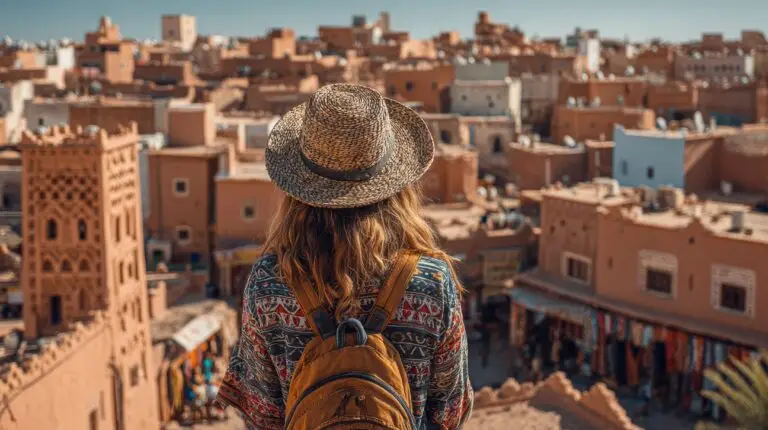
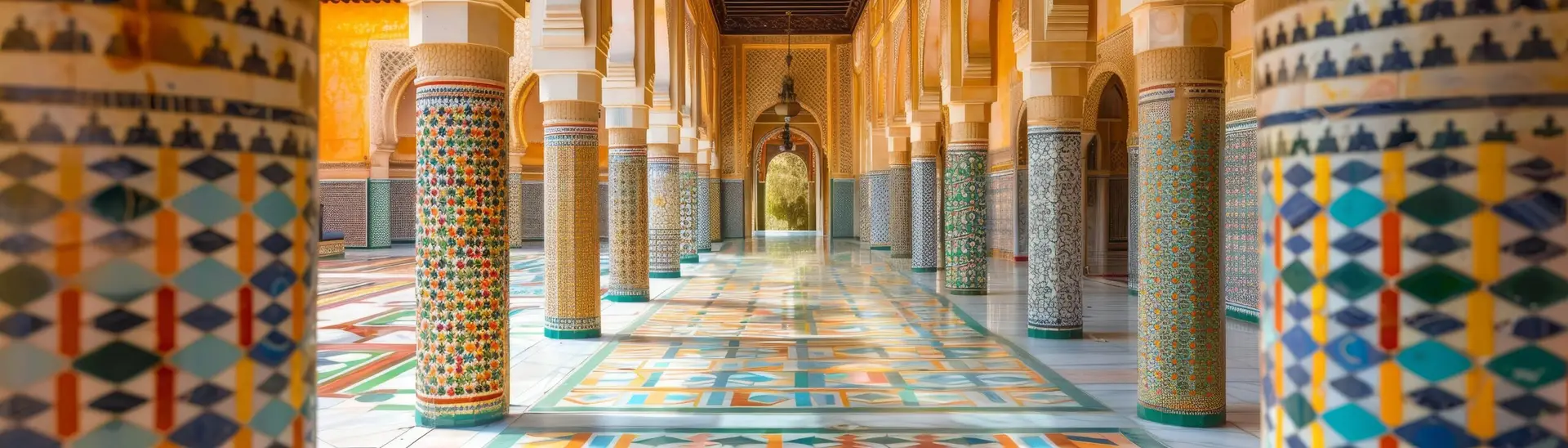
Discover the Art of Living in Morocco
Curious about the soul behind the souks? The art of living in Morocco is something you feel before you can name it — the warmth of a stranger pouring mint tea, the light filtering through a riad courtyard, the slow afternoon rhythm of a medina unchanged for a thousand years. This guide unpacks the rituals, traditions, and quiet luxuries that define Moroccan daily life, written by local Morocco experts who actually live here, so you can step inside the rhythm — not just observe it.
🇲🇦 Morocco Art of Living — Quick Facts
| Hospitality code Dhaif Allah (guest of God) | National drink Mint tea (atay) | Weekly ritual Hammam (Friday) |
| Home design Riad with courtyard | UNESCO heritage Gnawa music, Henna, Fes medina | Languages Arabic, Darija, Berber, French |
📖 Table of Contents
- 1. What “Art of Living in Morocco” Really Means
- 2. Hospitality: The Soul of Daily Life
- 3. The Ritual of Mint Tea (Atay)
- 4. The Moroccan Hammam — A Cultural Institution
- 5. Riads, Medinas & the Architecture of Slow Living
- 6. Moroccan Cuisine: Food as Connection
- 7. Craftsmanship & Sensory Heritage
- 8. How to Experience It as a Traveler
- 9. FAQ
What “Art of Living in Morocco” Really Means
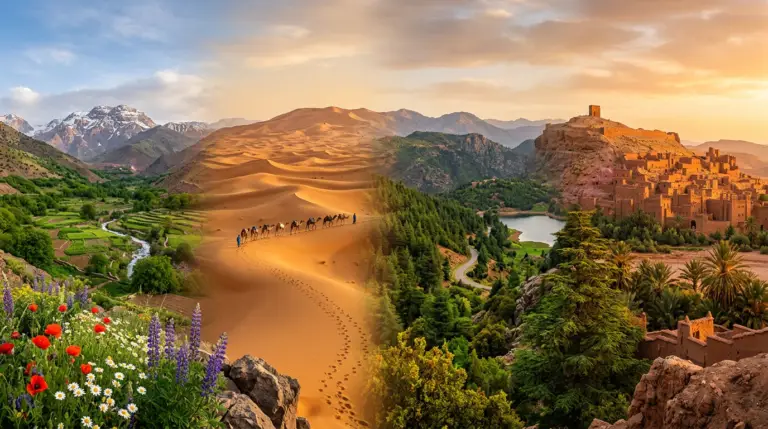
Morocco sits at a cultural crossroads — a country shaped by Amazigh (Berber), Arab, Andalusian, African, and Mediterranean influences layered over more than a millennium. The result is a national identity where everyday actions carry meaning. Pouring tea, sharing bread, removing your shoes at a doorway, lingering after a meal — these are not chores. They are the texture of daily life.
The art of living in Morocco rests on three pillars: hospitality (welcoming the guest as sacred), ritual (giving structure and beauty to ordinary moments), and craft (the patient, human-made objects that fill homes, riads, and souks). Together, they create a way of life that values presence over speed and connection over efficiency.
Hospitality: The Soul of Moroccan Daily Life
In Morocco, hospitality is not politeness — it is a duty of honor. The Arabic concept of Dhaif Allah (the guest of God) frames every visitor as someone to be protected, fed, and made comfortable. From the first Marhaba (welcome) at the door to the insistence that you eat just a little more, the host’s role is to make you feel held.
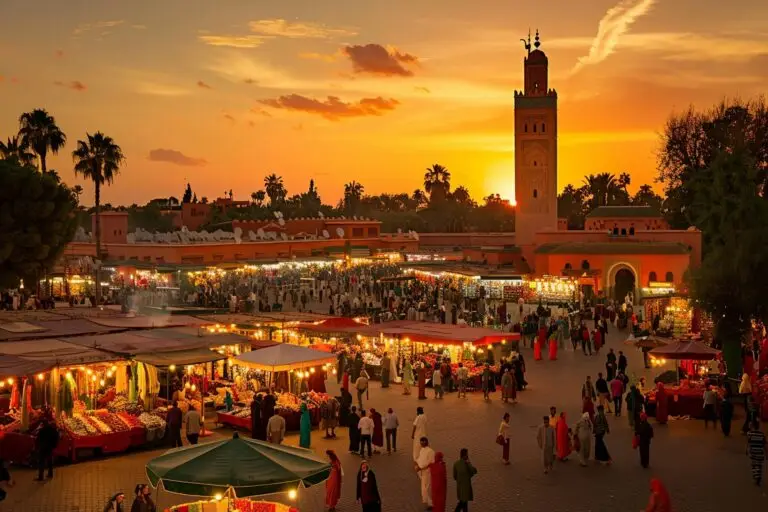
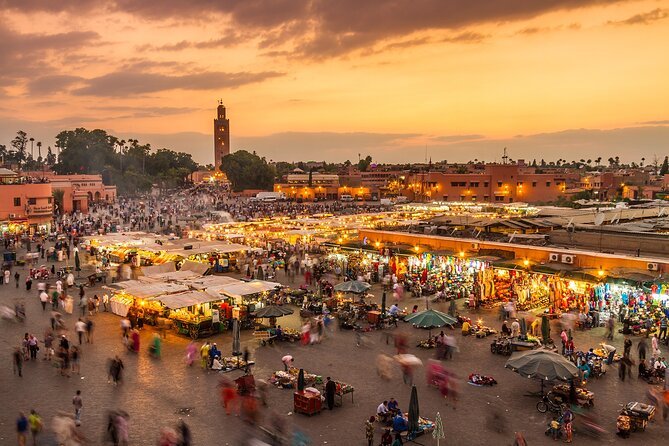
This is why a shopkeeper offers you tea before pricing a carpet. Why a taxi driver shares directions, advice, and sometimes a piece of family history on a 10-minute ride. Why an invitation into a Moroccan home — even if it surprises you — should rarely be declined. The warmth extends from the home into the street, into shops, taxis, and souks, and it is one reason visitors so often describe Morocco as a place that feels like home.
📌 Local insider tip: If you’re invited home, bring a small gift — pastries, dates, or a box of tea. Avoid alcohol unless you know the family drinks. Always remove your shoes if your host does.
The Ritual of Mint Tea (Atay)
No symbol captures the art of living in Morocco better than a glass of mint tea. Known locally as atay, it is brewed with gunpowder green tea, fresh spearmint, and sugar, then poured from a height to aerate the liquid and form a delicate foam on the surface. The gesture itself — slow, deliberate, performed in front of the guest — is the message.
Mint tea is offered at the start of a meal, at the end, in the middle of a business negotiation, after a hammam, and almost any time someone wants to mark a moment as worth slowing down for. Refusing the first glass is acceptable; refusing all three (the traditional number served) is not. As a Moroccan saying suggests, the first glass is bitter like life, the second sweet like love, the third gentle like death.
The Moroccan Hammam — A Cultural Institution
The Moroccan hammam is one of the most authentic ways to experience the art of living in Morocco. More than a steam bath, it is a centuries-old social and spiritual ritual, historically located near mosques to allow for purification before prayer. Many Moroccan families still visit weekly, especially on Fridays.
Public Hammam vs. Spa Hammam
| Type | Price | Best For |
|---|---|---|
| Public hammam (beldi) | 15–30 MAD (€1.50–3) | Authentic local experience, culture seekers |
| Mid-range hammam | 200–500 MAD | Comfortable intro, English-speaking staff |
| Luxury spa hammam | 800–1,500+ MAD | Private, guided, full ritual with massage |
The Essential Products & Steps
- Savon beldi — a thick olive-based black soap that softens the skin
- Kessa glove — a coarse mitt used to exfoliate dead skin in firm strokes
- Ghassoul (rhassoul) clay — a mineral clay from the Atlas Mountains, mixed into a mask for skin and hair
- Argan oil — massaged in at the end to lock in moisture; Morocco is the only country in the world where argan trees grow
A full session lasts 60 to 90 minutes and ends, of course, with a glass of mint tea in a cooler resting room. You leave lighter, softer, and a little dazed — in the best possible way.
⚠️ First-timer warning: The kessa scrub feels intense — there’s a horrifying amount of dead skin that comes off. If it’s too much, say “shwiya shwiya” (gently, gently). Drink plenty of water before and after.
Riads, Medinas & the Architecture of Slow Living
Step through a heavy wooden door in any Moroccan medina and you enter a different world. The riad — a traditional house built around an open central courtyard — is one of the purest expressions of Moroccan domestic art. From the street, riads are almost invisible; inside, they open into fountains, citrus trees, zellige tilework, and rooms arranged around the cool, contemplative center.
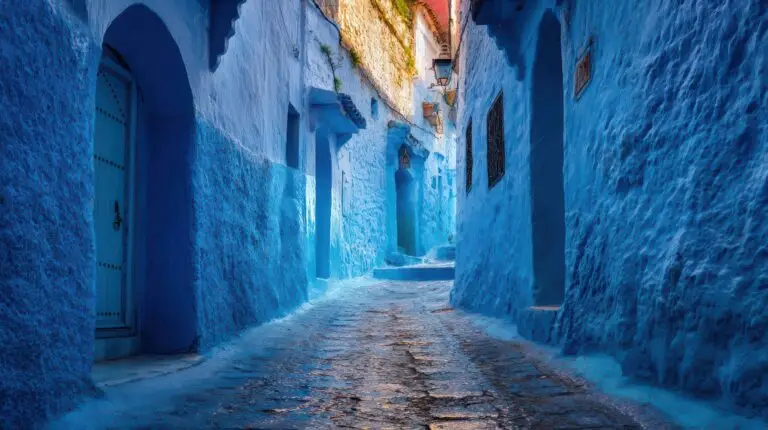
This inward-facing architecture is intentional. It protects privacy, keeps the interior cool through long summer days, and turns the home into a sanctuary. The medinas themselves — Fes, Marrakech, Chefchaouen, Tetouan — operate on the same logic: narrow shaded alleys, sudden bursts of color and craft, and a pace that asks you to slow down. The medina of Fes, a UNESCO World Heritage site, remains one of the largest car-free urban areas in the world.
For a full breakdown of where to stay, see our Marrakech Travel Guide and Chefchaouen Travel Guide.
Moroccan Cuisine: Food as Connection
Moroccan food is generous by design. Dishes are made to be shared from a single platter, scooped with bread (khobz) using the right hand, and eaten slowly while conversation drifts between subjects. The cuisine reflects the country’s layered history — Berber roots, Andalusian refinement, Arab spice routes, and French and Mediterranean touches.
- Tagine — slow-cooked stews in a conical earthenware pot, combining meat, vegetables, dried fruit, and spice blends like ras el hanout
- Couscous — traditionally served on Fridays after midday prayer, with vegetables and meat
- Pastilla — a crisp, layered pie of pigeon or chicken, almonds, cinnamon, and sugar, blurring sweet and savory
- Mechoui — whole lamb slow-roasted until it falls apart, served at celebrations
- Moroccan pastries — kaab el ghazal, chebakia, and seffa for the sweet finish
Food in Morocco is rarely just food. It is the way a family gathers, a community marks a season, and a host says you are welcome here.
Craftsmanship & Sensory Heritage
Walk through any Moroccan souk and you will see the art of living made visible in objects: hand-knotted Berber rugs, zellige mosaics cut tile by tile, tanned leather from Fes, hammered brass lanterns, carved cedar doors, and silver Amazigh jewelry. Each piece carries the patience of the maker.
Beyond craft, Morocco’s sensory heritage is also intangible. Gnawa music was inscribed on the UNESCO Intangible Cultural Heritage list in 2019, recognized for its trance rhythms and Sufi-rooted spiritual tradition. Henna art was added in 2024. The call to prayer drifting over the city at dusk, the scent of orange blossom in spring — these are inheritances passed quietly from one generation to the next.
How to Experience the Art of Living in Morocco as a Traveler
You don’t need a long stay or a deep budget to feel it. You need only attention and a little openness. Here is how to step inside the rhythm rather than just observe it:
- Stay in a riad, not a hotel — even for one night. The shift in atmosphere is the entire point.
- Accept the tea. Always. It is the door to every meaningful conversation in Morocco.
- Visit a hammam — public for the cultural plunge, spa for the gentle introduction.
- Learn three Darija words: Salam (hello), Shukran (thank you), Bessaha (to your health).
- Eat with locals — accept invitations, use your right hand, and pace yourself.
- Slow down. Moroccan time is conversational, not transactional. The best moments rarely fit a schedule.
For a deeper itinerary, see our Morocco Travel Guide for First Timers and 7-Day Morocco Itinerary.
Frequently Asked Questions
What is the Moroccan art of living?
The Moroccan art of living is a way of daily life built around hospitality, ritual, and craft. It shows up in the mint tea ceremony, the weekly hammam, the slow rhythm of meals shared from a single platter, and the inward-facing architecture of riads. More than a set of customs, it is a cultural philosophy that values presence, beauty, and human connection over speed.
Why is mint tea so important in Moroccan culture?
Mint tea, or atay, is the universal symbol of Moroccan hospitality. It is offered to guests, served during negotiations, shared after meals, and used to mark almost any moment of welcome. The ceremonial pour from height, the use of three glasses, and the time spent preparing it together signal respect and care. Refusing tea is often understood as refusing connection.
What should I expect in a traditional Moroccan hammam?
Expect a 60–90 minute ritual across warm and hot rooms. You’ll be coated in olive-based black soap, exfoliated with a coarse kessa glove, masked with ghassoul clay, rinsed with buckets of warm water, and finished with argan oil. Public hammams cost 15–30 MAD and feel authentic but communal; spa hammams in riads offer a gentler, private introduction. Bring flip-flops, a swimsuit or underwear, and patience.
How can travelers respectfully experience Moroccan hospitality?
Accept invitations when offered, dress modestly especially in medinas and religious sites, eat with your right hand, and bring a small gift (pastries, dates, or tea) when entering a home. Always remove your shoes if your host does. Ask permission before photographing people, and learn a few Darija phrases — even basic ones are warmly received and signal genuine respect.
Is a riad worth it for first-time travelers?
Absolutely. A riad is a traditional Moroccan house built around an inner courtyard, usually located inside the medina, and staying in one is the single fastest way to feel the art of living in Morocco. Most include authentic Moroccan breakfasts, rooftop terraces, and personalized hospitality. Book at least one or two nights in a riad on any trip.
Ready to Experience Morocco’s Art of Living for Yourself?
The art of living in Morocco is not in a museum or a guidebook — it is in a pot of tea kept warm for an unexpected guest, in the steam of a Friday hammam, in the courtyards of houses whose beauty is meant for the people who live in them. To travel through Morocco is to be quietly invited into that rhythm.
Get a free, personalized Morocco itinerary from our local experts within 24 hours. No obligation, no pressure — just honest advice from people who love this country.